Your heating and cooling system accounts for nearly half of your home’s energy use, which means upgrading to energy-efficient HVAC solutions can slash your utility bills by 20-50% while keeping your family comfortable year-round. The technology has evolved dramatically in recent years, making high-efficiency systems more affordable and accessible than ever before.
Modern energy-efficient HVAC systems work smarter, not harder. They automatically adjust output based on your actual needs rather than running at full blast constantly. This precision means less wasted energy, fewer breakdowns, and a smaller carbon footprint without sacrificing comfort. Whether you’re dealing with a system that’s on its last legs or simply looking to trim monthly expenses, the right efficiency upgrades pay for themselves through lower bills while increasing your home’s value.
The options range from simple thermostat upgrades costing under $200 to complete system replacements that qualify for substantial tax credits and rebates. Many homeowners start with quick wins like programmable thermostats and proper insulation, then graduate to heat pumps or variable-speed systems that deliver even greater savings. Some pair these upgrades with solar power to achieve near-zero energy costs for heating and cooling.
Understanding which solutions match your budget, climate, and home setup doesn’t require an engineering degree. The key is knowing what’s available, what delivers real results, and what fits your specific situation. Here’s everything you need to make an informed decision that benefits both your wallet and the environment.
Why Your Current HVAC System Is Costing You More Than It Should
If your HVAC system is more than 10-15 years old, there’s a good chance it’s quietly draining your wallet every month. Here’s the thing: older systems weren’t designed with today’s energy standards in mind, and they lose efficiency over time just like an aging car gets fewer miles per gallon.
Think of it this way. Your outdated HVAC system is like leaving money on the table, or more accurately, letting it escape through your vents. These older units often run constantly without actually keeping your home at a comfortable temperature. You might notice some rooms are too hot while others stay cold, forcing the system to work overtime trying to balance things out.
The hidden costs add up quickly. Older systems use single-stage compressors that operate at full blast every time they turn on, whether your home needs maximum cooling or just a slight adjustment. This on-and-off cycling wastes tremendous energy. Add in worn-out parts, refrigerant leaks, and clogged filters, and you’re looking at a system that might be using 30-50% more energy than necessary.
Your thermostat tells an important story too. If you find yourself constantly adjusting it or if your energy bills spike unpredictably, your system is struggling. Many homeowners don’t realize they’re paying premium prices for subpar comfort.
The good news? Upgrading to modern, energy-efficient equipment can cut your heating and cooling costs by 20-40% annually. That’s real money back in your pocket, month after month. Better yet, newer systems provide consistent comfort throughout your home while reducing your environmental footprint. The investment pays for itself through lower utility bills, and you’ll enjoy reliable performance for years to come.

Smart Thermostats: The Brain Behind Lower Energy Bills
How Learning Thermostats Pay for Themselves
Let’s look at the real numbers. A learning thermostat typically costs between $200-$300 installed, but the average household saves $131-$145 annually on heating and cooling costs. That means you’ll break even in roughly two years, with decades of savings ahead.
Consider a typical three-bedroom home spending $1,800 yearly on heating and cooling. With a learning thermostat optimizing your system through smart home automation, you could reduce that bill by 10-15 percent, saving around $200 each year. Over ten years, that’s $2,000 in your pocket.
The payback accelerates if you have electric heating or cooling in extreme climates. Families in hot Southern states or cold Northern regions often see 20 percent reductions in their energy bills, shortening payback periods to just 12-18 months.
Many utility companies sweeten the deal further by offering rebates of $50-$100 for installing qualifying smart thermostats, reducing your upfront investment and speeding up your return. These devices essentially become free money generators after that initial payback period.
Pairing Smart Thermostats With Solar Power
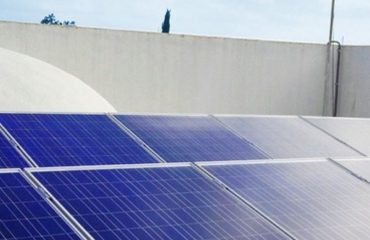
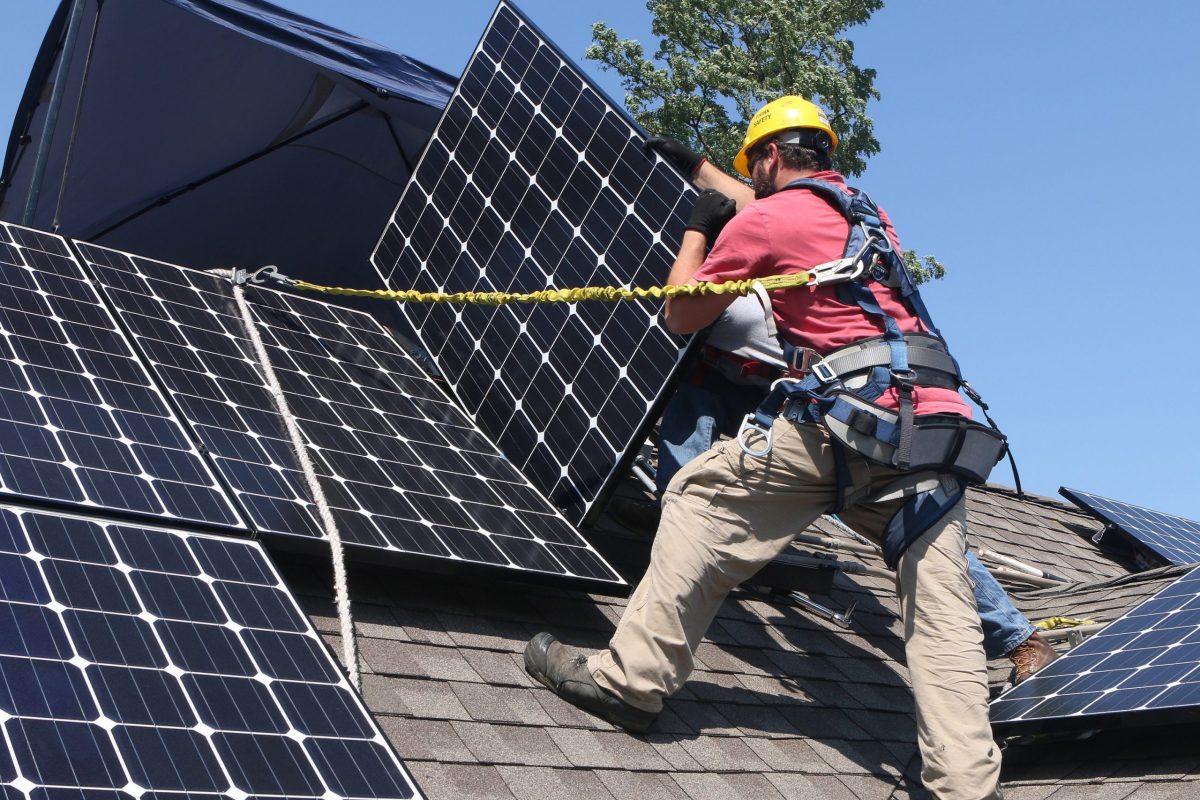
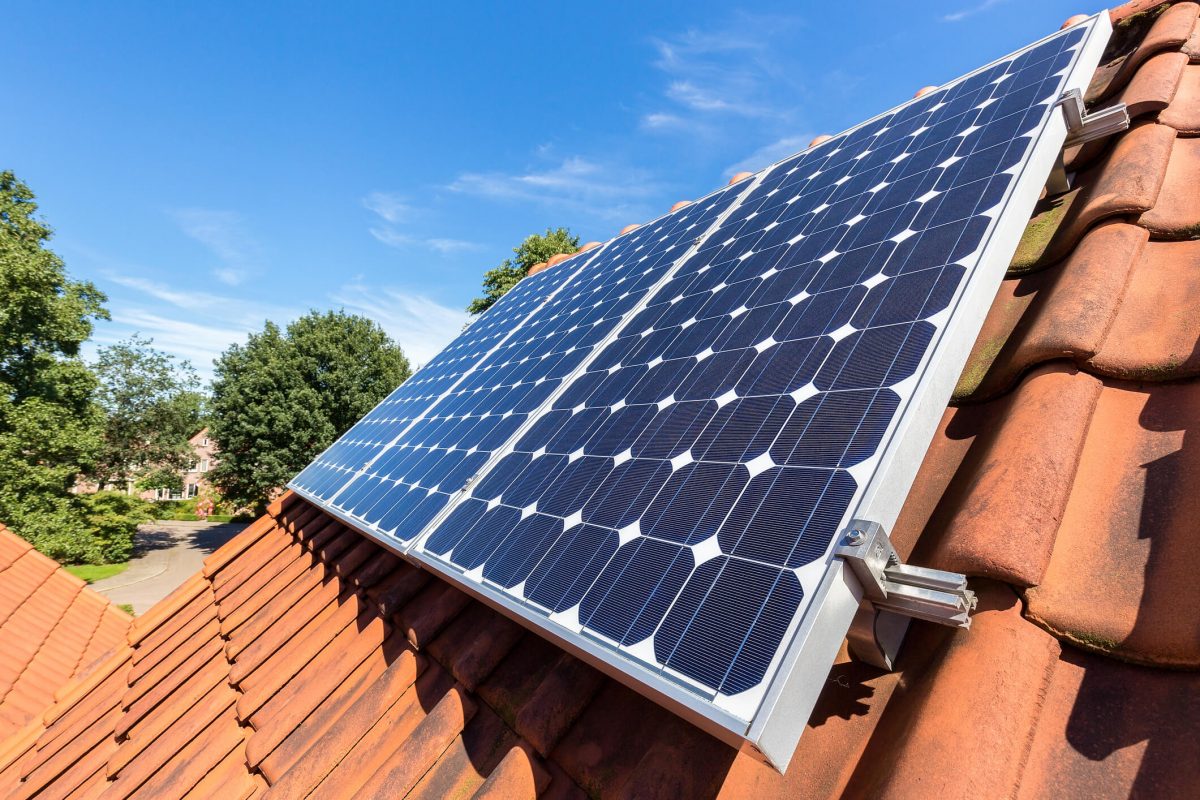
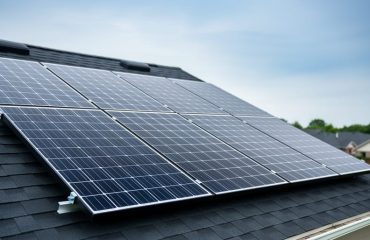
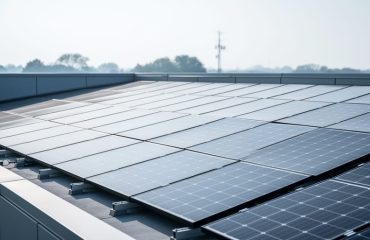
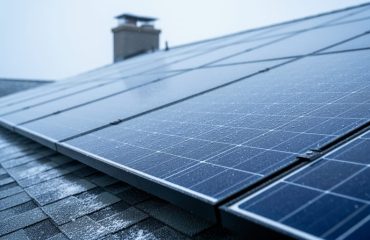
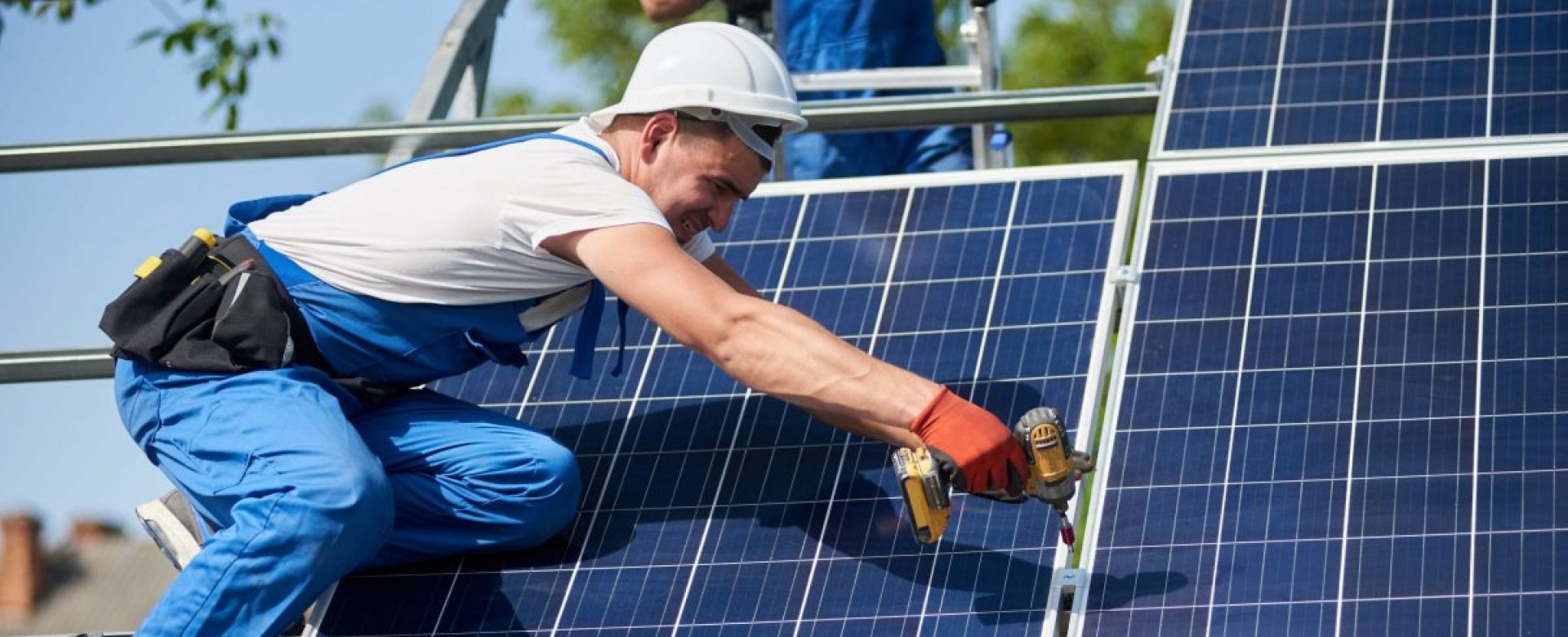
When you combine a smart thermostat with rooftop solar panels, you create a powerful money-saving duo. Here’s the key advantage: solar panels generate the most electricity during sunny midday hours, and smart thermostats can be programmed to take full advantage of this free energy production.
Think of it as strategic energy use. Your smart thermostat can pre-cool your home during peak solar production hours (typically 10 AM to 3 PM), storing that coolness for later when the sun goes down and your panels aren’t producing. The same applies in winter—heating your home when solar energy is abundant means you’re using your own clean power instead of drawing from the grid during expensive evening hours.
Many smart home systems can now integrate directly with solar monitoring equipment, automatically adjusting your HVAC schedule based on real-time solar production. This coordination ensures you’re maximizing your solar investment while maintaining perfect home comfort. The result? Lower energy bills and a smaller carbon footprint without any sacrifice to your lifestyle.
Variable-Speed HVAC Systems: The Quiet Revolution in Home Comfort
Why They’re More Efficient Than Traditional Systems
Traditional HVAC systems operate like a light switch—they’re either fully on or completely off. When your home reaches the desired temperature, the system shuts down entirely, then fires back up at full blast when things get too warm or cold again. This constant stop-start cycle wastes enormous amounts of energy, similar to how city driving burns more gas than highway cruising.
Variable-speed systems take a smarter approach. Instead of cycling on and off repeatedly, they run continuously at lower power levels, making tiny adjustments to maintain your ideal temperature. Think of it like cruise control for your home’s comfort. By operating at 25-40% capacity most of the time rather than 100% in short bursts, these systems use significantly less electricity throughout the day.
This continuous operation might sound counterintuitive—won’t running all the time cost more? Actually, no. Because the system isn’t constantly overcoming inertia to restart, it uses far less energy overall. Most homeowners see 20-40% reductions in their heating and cooling costs, which means real money back in your pocket every month while enjoying more consistent comfort.
The Comfort Bonus You Didn’t Expect
Energy savings are great, but modern energy-efficient HVAC systems deliver comfort improvements you’ll notice every single day. These systems excel at maintaining consistent temperatures throughout your home, eliminating those frustrating hot and cold spots that older units struggle with. You’ll no longer need to layer up in one room while stripping down in another.
Humidity control is another game-changer. Advanced HVAC systems regulate moisture levels more effectively, keeping your home from feeling stuffy in summer or overly dry in winter. This means better air quality, less mold risk, and that just-right feeling that makes your home genuinely comfortable year-round.
Perhaps the most surprising benefit? Peace and quiet. Modern efficient systems operate significantly quieter than their predecessors. Variable-speed motors and improved design mean your HVAC runs more smoothly without the jarring stops and starts of older systems. No more shouting over the air conditioner or being jolted awake when the heat kicks on at night. These comfort upgrades transform your daily living experience while trimming your energy bills—a win-win that makes upgrading worth considering sooner rather than later.
Zoned HVAC Systems: Stop Heating and Cooling Empty Rooms
Perfect for Multi-Story Homes
If you’ve ever noticed your upstairs bedrooms feel like a sauna while your downstairs living room is perfectly comfortable, you’re experiencing one of the most common frustrations in multi-story homes. This temperature imbalance happens because heat naturally rises, and traditional single-zone HVAC systems treat your entire house as one space, making it nearly impossible to maintain consistent comfort on every floor.
Zoned HVAC systems solve this problem by dividing your home into separate temperature zones, each with its own thermostat. You can cool the upper level more aggressively during hot afternoons while using less energy downstairs. This targeted approach means you’re not overcooling your first floor just to make the bedrooms comfortable, which translates directly into lower energy bills.
The financial benefits are substantial. Most homeowners with zoned systems report energy savings of 20-30% compared to their previous setup. You’re only heating or cooling the spaces you’re actually using, when you need them. Plus, family members can finally agree on the thermostat setting since everyone gets their preferred temperature in their own space.

Heat Pumps: Your HVAC System’s Climate-Friendly Cousin
How Heat Pumps Work With Solar Panels
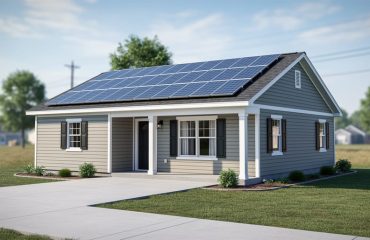
Electric heat pumps and solar power systems create an incredibly effective partnership for homeowners seeking true energy independence. Since heat pumps run on electricity rather than fossil fuels, they can be powered entirely by the clean energy your solar panels generate. This combination essentially gives you free heating and cooling once your system is paid off.
The timing works beautifully too. Solar panels produce the most energy during sunny days, which often coincides with when your air conditioning needs are highest in summer. During moderate weather, your solar system can easily cover your heat pump’s modest electricity needs while still powering the rest of your home.
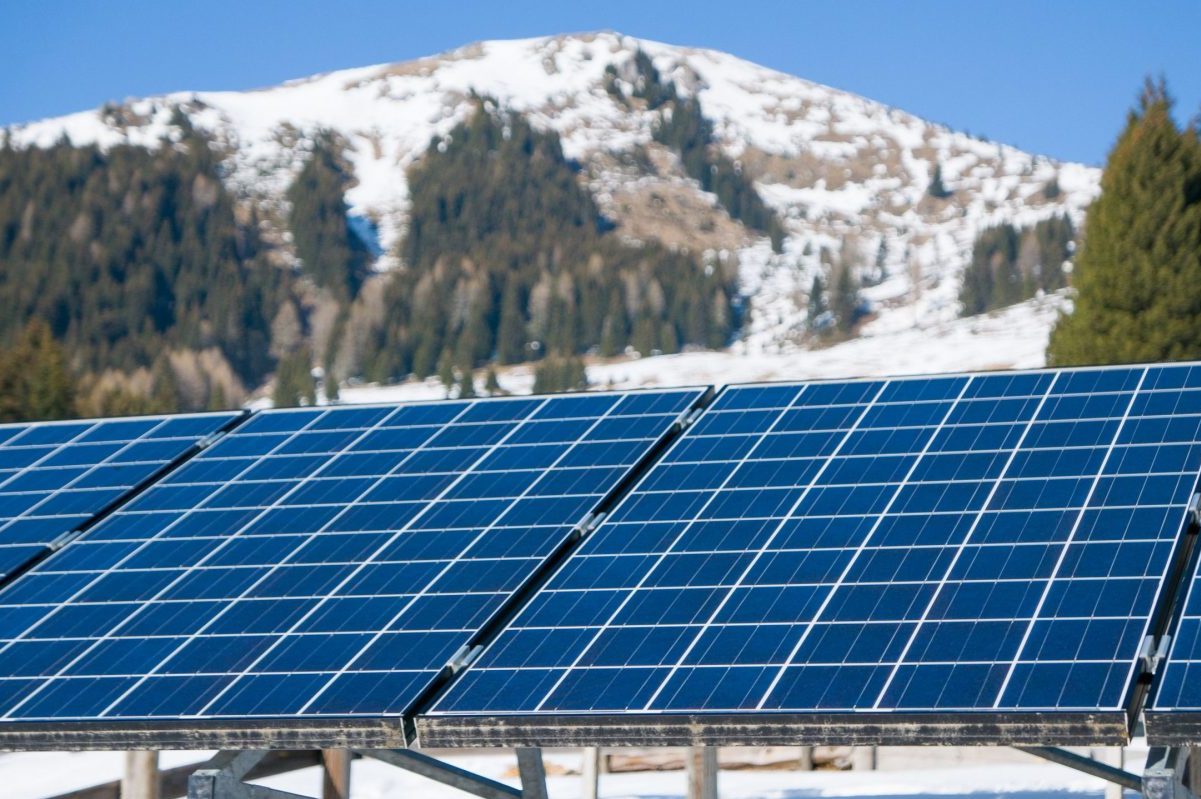
Many homeowners worry about winter heating costs, but modern cold-climate heat pumps remain highly efficient even in freezing temperatures. While your solar panels produce less energy in winter due to shorter days, heat pumps still use far less electricity than traditional electric resistance heating would require. Any shortfall can be drawn from the grid at night or during cloudy periods, though your overall energy bills will still be dramatically lower than conventional systems.
The financial math is compelling. Pairing these technologies can reduce your home’s operating costs by 70-90% compared to traditional heating and cooling systems. You’ll also increase your home’s value while reducing your carbon footprint to near zero, making this combination one of the smartest investments for forward-thinking homeowners.
Simple Upgrades That Make Any HVAC System More Efficient

The 20-Minute Maintenance Tasks That Save Hundreds
You don’t need expensive professional visits for every HVAC issue. These simple 20-minute tasks deliver immediate efficiency improvements and can prevent costly repairs down the road.
Start by replacing your air filter monthly during peak seasons. A clogged filter forces your system to work 15% harder, directly increasing your energy bills. Most filters cost under $5 and slide out effortlessly—no tools required.
Next, clear debris from your outdoor unit. Leaves, grass clippings, and dirt block airflow and reduce efficiency by up to 25%. Simply turn off the power, remove visible debris, and gently spray the fins with a garden hose from the inside out.
Check your thermostat placement too. If it’s near windows, lamps, or appliances, it’s getting false temperature readings and running unnecessarily. Relocating it to an interior wall takes minutes but ensures accurate readings.
Finally, inspect and seal visible duct leaks using metallic tape. Leaky ducts waste 20-30% of conditioned air before it reaches your rooms. These quick fixes, combined with other energy-saving habits, typically save homeowners $200-400 annually while extending equipment lifespan. Best of all, they require zero technical expertise.
Making the Math Work: Costs, Savings, and Incentives
Let’s talk numbers, because understanding the financial side of HVAC upgrades helps you make smart decisions for your home and wallet.
A programmable thermostat represents your easiest entry point, typically costing between $100-250 installed. You’ll likely see 10-15% savings on heating and cooling costs, which means this investment pays for itself within the first year for most households. If your annual energy bills run around $2,000, that’s $200-300 back in your pocket annually.
Moving up the investment ladder, a variable-speed air handler or furnace runs $3,000-6,000 installed but can slash energy use by 20-30% compared to single-speed systems. With average savings of $400-600 yearly, you’re looking at a payback period of roughly 7-10 years. Considering these systems last 15-20 years, that’s a decade of pure savings after break-even.
Complete system replacements with high-efficiency equipment range from $8,000-15,000 depending on your home size and chosen technology. Modern systems can reduce energy consumption by 30-50% compared to units over 15 years old. Annual savings often reach $600-1,000, creating a payback window of 10-15 years.
Here’s where it gets exciting: federal tax credits currently offer up to $2,000 for qualifying high-efficiency HVAC equipment through 2032. Many states and utilities add their own rebates, sometimes stacking an additional $500-2,000 onto your savings. These incentives dramatically shorten payback periods.
Think of HVAC upgrades as investments in your home’s value and your daily comfort, not just expenses. Every monthly utility bill becomes a dividend payment back to you. Plus, efficient systems paired with renewable energy sources create a powerful combination that maximizes your energy independence while minimizing environmental impact. The math isn’t just good, it’s compelling, especially when you factor in rising energy costs making your savings grow year after year.
Creating an energy-efficient home doesn’t happen overnight, and it doesn’t have to. The beauty of combining smart HVAC solutions with solar power is that you’re building a system where each improvement makes the next one even more effective. Your new heat pump works more efficiently when paired with solar panels. Your programmable thermostat saves even more money when it’s managing a high-efficiency system. And your solar array generates surplus energy more easily when your home isn’t wasting it through outdated heating and cooling equipment.
The financial math is simple: every dollar you don’t spend heating or cooling your home is a dollar that stays in your pocket. When you factor in available rebates, tax incentives, and the steadily decreasing cost of both HVAC upgrades and solar installations, the path to lower energy bills has never been clearer.
Start wherever makes sense for your situation and budget. Replace those air filters today. Schedule a professional tune-up next month. Research high-efficiency systems for when your current unit needs replacement. The important thing is to start. Each step forward reduces your environmental footprint while putting you in greater control of your energy costs. Your home will be more comfortable, your bills will be lower, and you’ll have the satisfaction of knowing you’re making choices that benefit both your family and the planet. That’s a win worth pursuing.