You’re probably paying more for solar panel maintenance than your neighbor—not because you’re being overcharged, but because your system’s unique characteristics determine your actual cost. Risk-based pricing means your maintenance fees reflect specific factors like your roof’s pitch, your panels’ age, local weather patterns, and even how many trees surround your home. It’s the same principle your car insurance uses: higher risk situations cost more to maintain, while lower risk setups save you money.
Here’s the good news: understanding risk-based pricing puts you in control. Unlike the one-size-fits-all approach many homeowners expect, this pricing model actually rewards smart decisions. When you know which factors drive your costs up, you can make targeted changes that directly reduce what you pay. A few strategic adjustments—trimming overhanging branches, scheduling maintenance during optimal seasons, or upgrading older components—can shift you into a lower risk category and cut your annual maintenance expenses by hundreds of dollars.
The transparency of risk-based pricing eliminates the mystery around maintenance costs. You’re not paying arbitrary fees dreamed up by contractors. Instead, every dollar reflects measurable risk factors that maintenance providers can explain and you can verify. This article breaks down exactly how providers calculate your maintenance costs, which specific factors affect your pricing tier, and which changes deliver the biggest savings. You’ll discover that managing your solar maintenance budget isn’t complicated—it just requires knowing what matters and taking action on those key factors.
What Risk-Based Pricing Actually Means for Your Solar Panels

The Traditional Way vs. The Smart Way
For years, most solar maintenance companies have used the same approach for everyone: one fixed price, regardless of your system’s condition or how well you care for it. Think of it like paying the same car insurance premium whether you’re a careful driver with a spotless record or someone with multiple accidents.
The smart way flips this outdated model on its head. Risk-based pricing recognizes that every solar installation is unique. If you’ve kept your panels clean, scheduled regular inspections, and maintained optimal performance, you pose less risk to a service provider. That translates directly into lower costs for you.
Here’s the real benefit: homeowners who invest a little time in basic upkeep see significant savings. A well-maintained system in an ideal environment might pay 30-40% less than someone who’s neglected their panels for years. It’s a reward system that makes financial sense.
This approach creates a win-win situation. You save money while being encouraged to take better care of your investment. Meanwhile, maintenance providers can offer competitive rates to responsible homeowners while accurately pricing higher-risk situations. The result? Fair pricing that reflects reality, not guesswork.
Why This Matters for Your Wallet
Risk-based pricing isn’t just insurance industry jargon—it directly affects how much you’ll spend on keeping your solar panels in top shape. Here’s the good news: homeowners who take proactive steps can actually save money. When maintenance providers assess your system’s risk factors like location, panel age, and installation quality, they can offer lower rates to those with well-maintained, lower-risk setups. Think of it like a reward program for responsible solar ownership.
If you’ve kept up with regular cleanings, addressed minor issues quickly, and installed quality equipment from the start, you’re likely paying less than neighbors who’ve neglected their systems. The actual maintenance costs reflect this reality—proactive care costs significantly less than emergency repairs. Meanwhile, high-risk situations like systems in extreme weather zones or those with deferred maintenance receive appropriate coverage at higher rates. This ensures everyone gets the service level they need without subsidizing others’ risks. The bottom line: your maintenance wallet stays healthier when you stay ahead of potential problems.
The Factors That Determine Your Maintenance Risk
Where You Live Makes a Big Difference
Your location plays a surprisingly significant role in determining your solar panel maintenance costs. If you live near the ocean, salt air can accelerate corrosion on mounting hardware and electrical connections, requiring more frequent inspections and protective treatments. Desert dwellers face different challenges—dust and sand accumulation can reduce panel efficiency by 20-30% if not cleaned regularly, potentially increasing your cleaning schedule from twice yearly to quarterly.
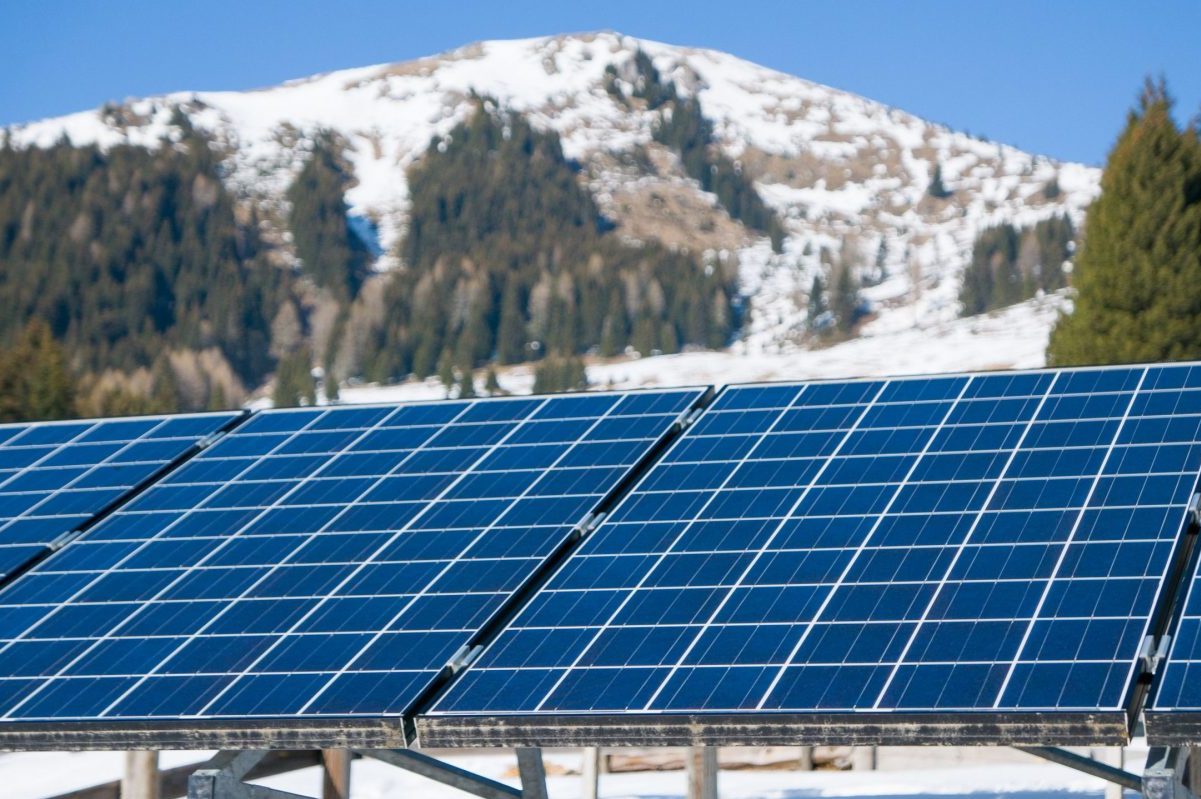
Extreme temperatures matter too. Panels in regions with harsh winters need snow removal services and ice damage assessments, while areas experiencing intense summer heat may see faster degradation of seals and wiring insulation. Even seemingly minor environmental factors like pollen concentration or proximity to agricultural areas with airborne particles can impact how often your system needs attention.
The good news? Understanding your local environmental conditions helps you budget accurately from the start. Maintenance providers factor in these regional considerations when creating service plans, which means you’re paying for what you actually need rather than a one-size-fits-all approach. This transparency ensures you’re getting fair pricing based on your specific climate challenges.

Age and Quality of Your System
Just like your car costs more to maintain as it ages, your solar energy system’s maintenance pricing reflects its years of service. Here’s the good news: newer systems typically enjoy lower maintenance costs because modern components are more reliable and come with warranties that often cover issues for 10-25 years.
If your system is older than 10-15 years, maintenance providers may adjust pricing to account for components that naturally wear over time, like inverters or wiring connections. This doesn’t mean you’re being overcharged—it’s simply realistic pricing for systems that may need more frequent attention or specialized parts.
The quality of your original installation also plays a significant role. Systems installed by certified professionals using premium components usually have fewer issues down the road, which translates to lower ongoing costs. If your installer cut corners with substandard mounting equipment or poor electrical connections, you’ll likely face higher maintenance expenses to correct these issues.
The silver lining? Understanding this factor helps you make informed decisions. If you’re considering solar, investing in quality installation from the start saves money long-term. If you already have an older system, regular preventive care can actually reduce your risk profile and potentially lower your maintenance costs over time.
How You Use and Care for Your Panels
Good news: you have significant control over your solar panel maintenance costs through simple, proactive care. Think of it like regular car maintenance—small efforts now prevent expensive repairs later, which maintenance providers recognize with better pricing.
Following proper cleaning schedules keeps your panels working efficiently and helps you avoid the higher costs associated with neglected systems. Most panels simply need occasional rinsing to remove dust, pollen, and debris. In drier climates or areas with heavy bird activity, you might need more frequent attention.
Monitoring your system’s output through your inverter app or monitoring system helps catch small issues before they become costly problems. A sudden drop in production could signal something as simple as shading from tree growth or as significant as a failing component.
Keeping vegetation trimmed, ensuring proper drainage around ground-mounted systems, and scheduling periodic professional inspections demonstrate responsible ownership. Maintenance providers view well-maintained systems as lower risk, which translates directly to lower service costs. By staying proactive, you’re not just protecting your investment—you’re actively reducing what you’ll pay for future maintenance needs.
How Risk-Based Pricing Saves You Money Long-Term
Pay for What You Actually Need
Traditional one-size-fits-all insurance treats all solar panel owners the same, regardless of their unique circumstances. Risk-based pricing changes this equation entirely by tailoring your costs to your actual situation.
Think of it this way: if you’ve installed your panels correctly, perform regular cleaning, and live in an area with moderate weather, why should you pay the same maintenance and insurance premiums as someone whose system faces constant severe weather or hasn’t been properly maintained? You shouldn’t.
With personalized pricing, you’re only covering the risks that genuinely apply to your home. If your panels are newer, you’ll pay less than someone with aging equipment. If you live in a mild climate with fewer storms, your costs reflect that lower risk. Regular maintenance records can even qualify you for better rates because you’re demonstrating responsible ownership.
This approach eliminates the frustrating experience of subsidizing other people’s risks. You’re not overpaying for protection against problems you’re unlikely to face, yet you still maintain comprehensive coverage for the issues that actually matter for your specific installation. The result? Lower costs where risks are minimal, adequate protection where vulnerabilities exist, and transparent pricing that reflects your home’s reality rather than industry averages.
Incentives to Keep Your System Healthy
Risk-based pricing creates a win-win situation for you and your maintenance provider. When you take good care of your solar panels through regular cleaning and timely inspections, you’re demonstrating lower risk. This responsible behavior translates directly into lower maintenance costs through reduced premiums or service fees.
Think of it like a rewards program for your solar system. Each time you schedule preventive maintenance, keep your panels clean, and address minor issues before they escalate, you’re building a track record of proactive care. Many providers review this history annually and adjust your pricing accordingly, meaning your diligence pays off year after year.
This approach also extends your system’s lifespan significantly. When you’re motivated to maintain your panels properly, you prevent the small problems that typically snowball into expensive repairs. Regular attention catches issues like loose connections or minor debris accumulation before they impact performance or cause damage.
The beauty of this system is its simplicity: better care equals lower costs equals better performance. You’re not just saving money on maintenance fees; you’re also maximizing your energy production and protecting your initial investment. It’s a positive cycle where everyone benefits, and your wallet thanks you twice over.
Simple Steps to Lower Your Maintenance Risk Score
Easy Maintenance Habits That Make a Difference
The good news? You don’t need technical expertise to keep your solar panels performing well and potentially lower your maintenance costs. Simple regular maintenance habits can make a real difference in how insurers and service providers assess your system’s risk profile.
Start with monthly visual inspections from the ground. Look for obvious debris accumulation, shading from new tree growth, or visible damage. These quick checks help you catch issues before they escalate into costly repairs.
Keep a simple maintenance log noting when you clean panels, trim nearby vegetation, or notice performance changes. This documentation demonstrates responsible ownership and can support better pricing discussions with service providers.
Monitor your system’s performance through your inverter or monitoring app. A sudden drop in energy production often signals a problem worth addressing promptly. Early detection typically means simpler, less expensive fixes.
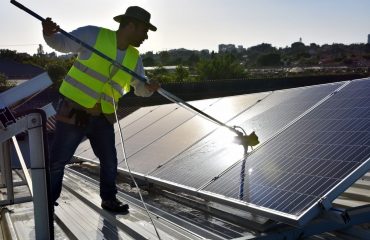
Clean accessible panels with a garden hose during cooler parts of the day, removing dust, pollen, and bird droppings that reduce efficiency. Most systems need this just two to four times yearly, depending on your location.
Finally, maintain clear access to your panels and inverter. Trim overhanging branches annually and keep the area around ground-mounted systems clear. These straightforward tasks show you’re minimizing risk, which directly influences how providers price your maintenance coverage.

When to Call in the Professionals
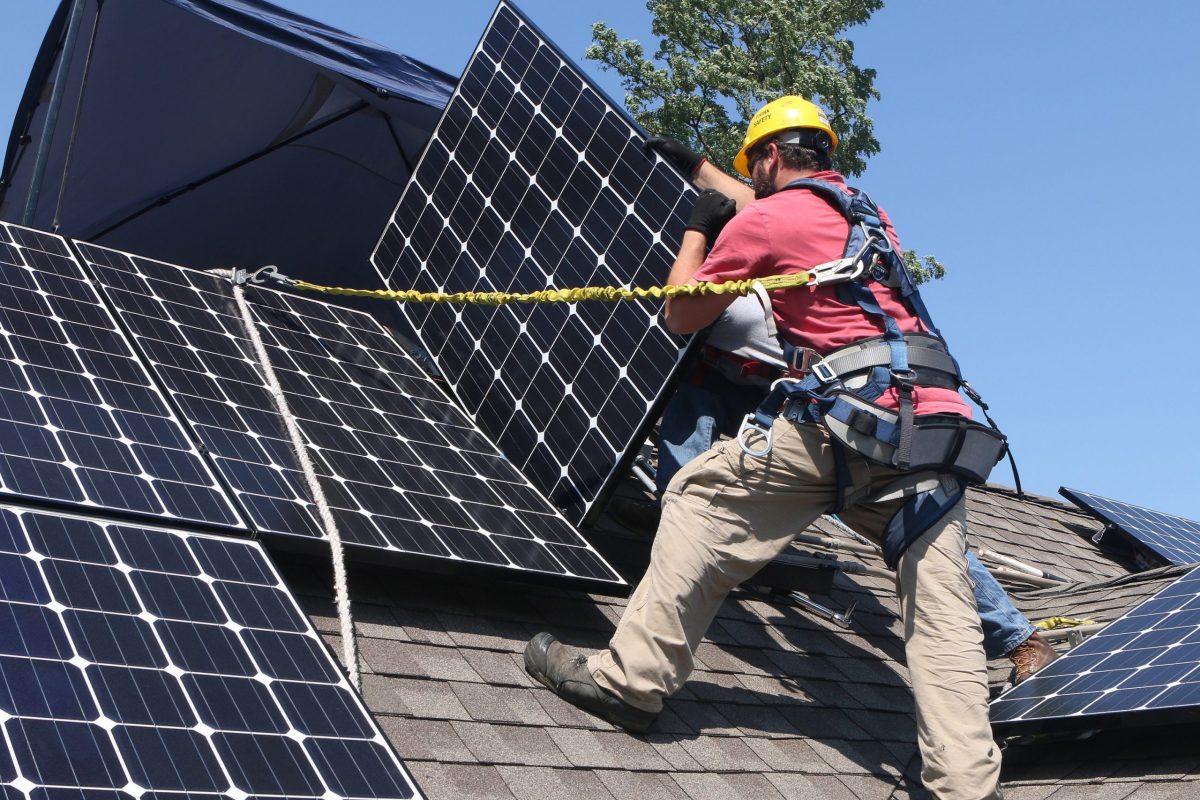
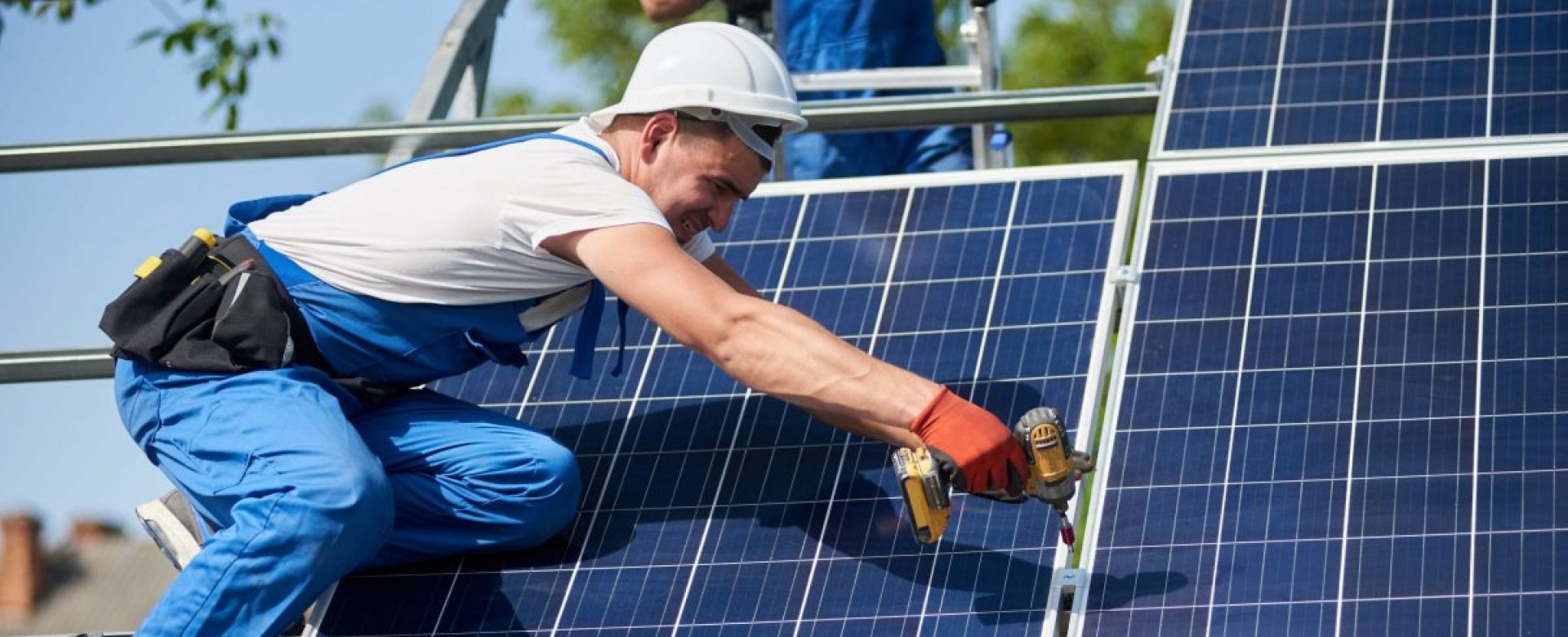
While many solar panel maintenance tasks are DIY-friendly, knowing when to bring in professionals protects your investment and actually saves money over time. Think of it like changing your car’s oil versus rebuilding the engine—some jobs simply require specialized knowledge and equipment.
Schedule professional inspections at least once every two years, even if your system seems fine. Trained technicians can spot early warning signs invisible to the untrained eye, like microscopic cracks or developing electrical issues. Catching these early prevents expensive emergency repairs down the road.
Always call professionals for electrical work, roof-related repairs, or warranty-covered issues. Attempting these yourself risks voiding your warranty and creating safety hazards. Similarly, if your monitoring system shows significant performance drops or you notice physical damage after storms, professional assessment is essential.
The good news? Regular professional check-ups typically cost between 150 and 300 dollars but can prevent thousands in future repairs. Many companies offer maintenance plans that reduce per-visit costs and include priority service. This predictable expense makes budgeting easier and demonstrates to insurers that you’re maintaining your system properly, potentially lowering your premiums.
Remember, professionals carry liability insurance and specialized tools that justify their cost. They complete in hours what might take you days, minimizing system downtime and maximizing your energy savings.
Questions to Ask Your Solar Provider About Maintenance Pricing
Before signing any solar maintenance contract, arm yourself with these essential questions to ensure you’re getting fair, transparent pricing that reflects your actual risk profile.
Start by asking, “What specific factors determine my maintenance pricing?” A reputable provider should clearly explain how they assess your system’s risk level—including your roof type, local weather patterns, system age, and installation quality. If they can’t provide straightforward answers, that’s a red flag.
Next, inquire about customization: “Can my maintenance plan be adjusted based on my system’s performance?” Quality providers understand that not all systems require the same level of attention. Your pricing should reflect your actual maintenance needs, not a one-size-fits-all approach.
Ask about transparency in maintenance agreements: “Will you provide a detailed breakdown of all costs and services included?” You deserve to know exactly what you’re paying for, from routine inspections to emergency repairs. Hidden fees should never be part of the equation.
Question potential savings opportunities: “What steps can I take to lower my maintenance costs?” Proactive providers will happily share tips for reducing your risk profile, such as keeping panels clear of debris or scheduling regular visual inspections yourself.
Finally, ask about performance tracking: “How do you monitor my system’s health, and will I receive regular reports?” Modern maintenance plans should include data monitoring that helps identify issues early, preventing costly repairs and justifying the pricing structure.
Remember, fair pricing means you’re only paying for the protection and services your specific system actually needs. Don’t settle for vague answers—transparency is your right as a solar homeowner.
Risk-based pricing ultimately works in your favor as a solar panel owner. Instead of paying the same rate as everyone else regardless of your system’s condition, you’re charged based on your actual circumstances. This means homeowners who invest time in regular cleaning, prompt repairs, and careful monitoring can enjoy lower maintenance costs. It’s a fair system that rewards responsible ownership and smart habits.
The transparency of risk-based pricing also empowers you to make informed decisions about your solar investment. You’ll know exactly which factors influence your costs and what steps you can take to reduce them. Whether it’s scheduling seasonal inspections, upgrading outdated equipment, or simply keeping debris clear, you have direct control over your expenses.
By understanding how risk-based pricing works, you’re taking an important step toward maximizing both the financial returns and environmental benefits of your solar panels. Your system is designed to serve you for decades, and with proactive care guided by clear pricing principles, you’ll ensure it performs efficiently while keeping costs predictable and manageable. Take charge of your solar journey today with knowledge and confidence.