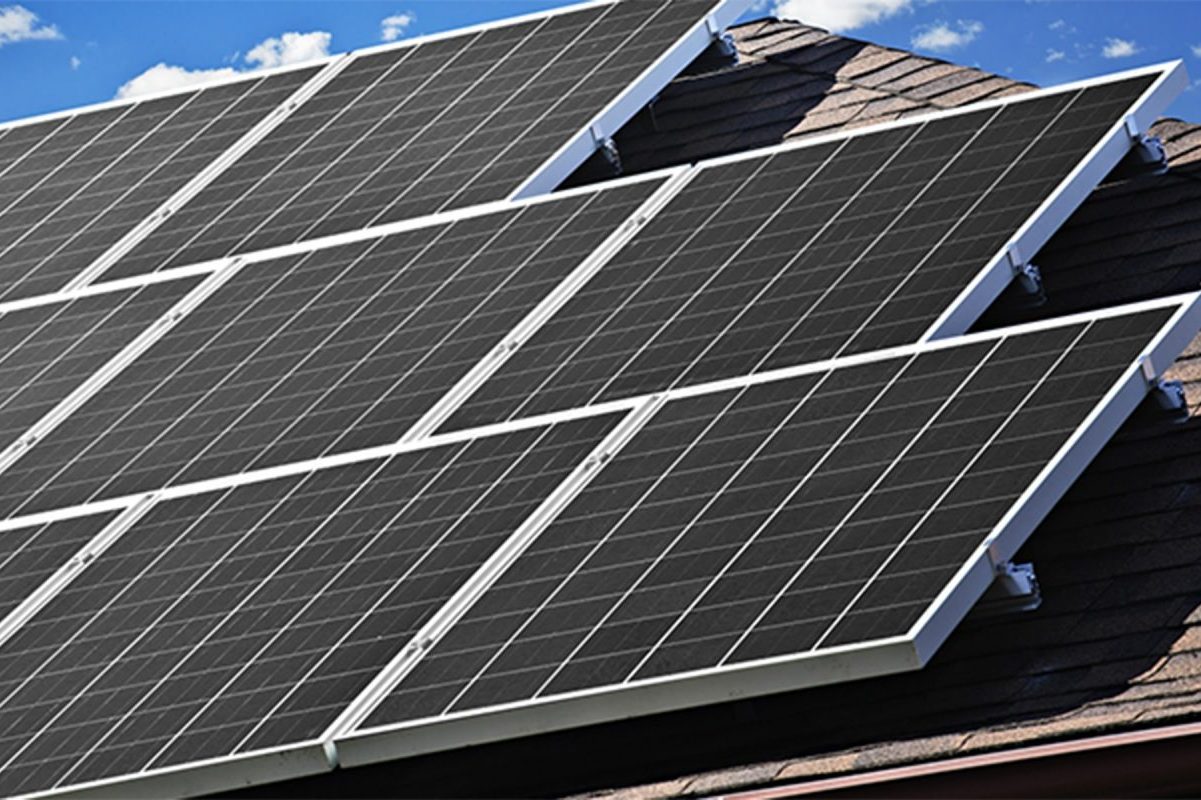
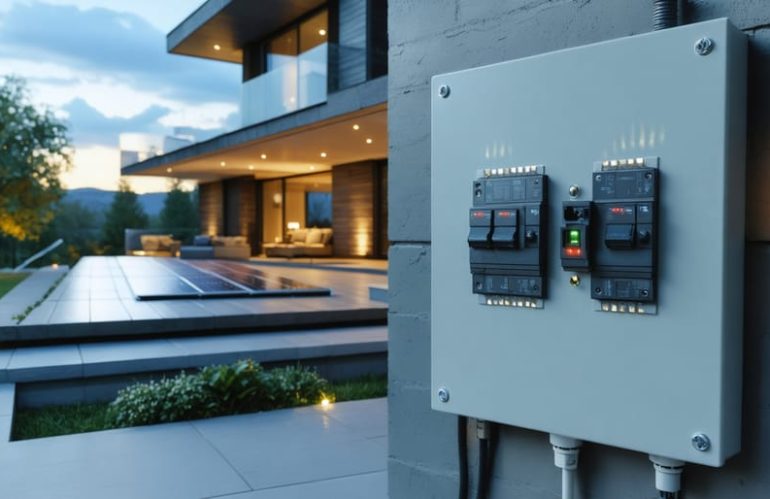
A solar ready main service panel simplifies the process of installing solar panels at home eliminating costly electrical upgrades and streamlining your transition to clean energy. These specialized electrical panels come pre-configured with dedicated breaker spaces and bus bars designed specifically for solar integration. Unlike traditional panels that often require extensive modifications, solar ready panels offer seamless compatibility with photovoltaic systems, potentially saving homeowners thousands in upgrade costs.
Standard models from manufacturers like Eaton and Siemens feature enhanced bus ratings that accommodate solar input without exceeding safe limits. For example, Siemens solar-ready load centers include a 200 amp main breaker paired with an enhanced 225 amp rated bus. Similarly, Eaton solar-ready models use a 225-amp copper bus that accommodates up to 70 amps of solar PV input when paired with a 200-amp main disconnect. These specifications matter because they determine how much solar capacity you can add without a panel upgrade.
The 120% rule allows a 200-amp panel with a 200-amp busbar rating to handle a total load of 240 amps, which provides flexibility for solar installations. In some cases, a 200 amp panel with a 100 amp main breaker offers an even better option, allowing all the solar capacity most homeowners will need. If your PV interconnection is on the line side of the main service disconnect, the bus rating of the panel becomes irrelevant, opening additional installation options.
Whether you’re building a new home or upgrading an existing electrical system, choosing a solar ready panel demonstrates forward-thinking investment. These panels incorporate essential safety disconnects, higher amperage ratings, and clearly labeled connection points for solar equipment. By planning ahead with a solar ready main service panel, you’re not just preparing for solar installation but investing in a future-proof home energy system that adapts to evolving clean energy technologies.
What Makes a Main Service Panel ‘Solar Ready’?
A solar ready electrical panel is designed and configured to accept a photovoltaic system connection without requiring a full panel replacement or costly electrical upgrades. In practical terms, what is a solar ready panel? It’s a main service panel that includes dedicated spaces and provisions for the circuit breakers and wiring needed to integrate solar energy into your home’s electrical system.
Most solar ready panels feature at least two reserved breaker slots clearly marked for future renewable energy use. These slots accommodate the double-pole breakers that connect your solar array’s inverter to your household circuits. The panel will also have sufficient bus bar capacity to handle the additional amperage from solar power generation. A standard 200-amp panel with a 225-amp bus rating is common in current solar ready service panels, allowing for up to 70 amps of PV input when paired with a 200-amp main disconnect. This enhanced bus capacity provides the headroom needed to integrate solar without overloading the system.
Beyond physical space, a truly solar ready panel meets current National Electrical Code requirements for photovoltaic system integration. This includes proper labeling areas, adequate grounding provisions, and backfeed protection capabilities. When you’re planning a solar installation, having a solar ready panel already in place can save you $1,500 to $3,000 in electrical upgrade costs and streamline the permitting process significantly.
Check your existing panel before scheduling a solar system installation. Many newer homes already include solar ready panels as a standard feature, particularly in states with strong renewable energy incentives. An electrician can quickly assess whether your current setup will support solar or if an upgrade is necessary before your panels connect to the grid.
Essential Components
A solar-ready main service panel comes equipped with several key components that make it compatible with solar power systems. These electrical panel solar ready features ensure that homeowners can integrate solar panels without costly retrofits or major panel replacements.
The core components of a properly specified solar-ready panel include:
- Dedicated breaker space rated for 200-225 amps to accommodate solar input
- Pre-installed bus bars capable of handling both grid and solar power loads
- Adequate amperage rating to support existing circuits plus solar generation
- Labeled solar input terminals for clear identification during installation
- Proper grounding provisions that meet National Electrical Code requirements
Understanding the 120% rule helps clarify capacity limits. A 200-amp panel with a 200-amp busbar rating can handle a total load of 240 amps under this rule, which governs how much solar and utility power can safely flow through the bus. Current models from major manufacturers reflect this principle in their design. Standard Eaton solar power centers feature a 225-amp copper bus that accommodates up to 70 amps of solar PV input when paired with a 200-amp main disconnect. Similarly, Siemens solar-ready load centers include a 200-amp main breaker with an enhanced 225-amp rated bus. For many residential installations, a 200-amp panel with a 100-amp main provides ample capacity for typical solar arrays.
If the PV interconnection is on the line side of the main service disconnect, the bus rating of the panel becomes irrelevant, offering more flexibility in system design.
Beyond these essentials, the panel must include a main disconnect switch and clearly labeled solar circuit breakers for safety and compliance. Weather-resistant housing protects internal components from the elements, while smart monitoring capabilities in modern panels let homeowners track energy usage and solar production through digital displays or smartphone apps.
The panel should have adequate space for both existing circuits and future solar additions, typically requiring at least 4-8 empty spaces. Proper wire management systems and clear labeling of solar-ready connections make the eventual installation smoother. Most importantly, ensure the panel meets current NEC requirements for solar installations, including proper surge protection and disconnection means.
A well-designed solar-ready panel makes future solar installation simpler and more cost-effective, eliminating the need for extensive electrical upgrades later.
Interior view of a modern solar ready electrical panel with clear labeling and bus bars
Code Compliance
Modern electrical codes have evolved to accommodate the growing demand for solar energy systems. The National Electrical Code (NEC) requires new homes to be “solar-ready,” meaning the electrical service panel must have space for a solar circuit breaker and the capacity to handle additional power. Most jurisdictions require a minimum 200-amp service panel for solar readiness, though specific requirements vary by location.
Key code requirements typically include dedicated breaker spaces for solar equipment, proper labeling of solar-ready components, and adequate bus bar rating. The panel must also include a main disconnect switch and meet grounding requirements. Many local building codes mandate that new construction includes conduit runs from the electrical panel to the roof, making future solar installation easier and more cost-effective.
However, there’s an important exception: when the PV interconnection is on the line side of the main service disconnect, the bus rating of the panel becomes irrelevant. This line-side connection approach can simplify upgrades for some installations. Standard solar-ready service panel specs for 2026 often feature enhanced bus ratings. For example, current Siemens solar-ready load centers include a 200-amp main breaker paired with a 225-amp rated bus, while Eaton solar-ready models use a copper bus rated up to 225 amps and allow up to 70 amps of PV input when paired with a 200-amp main disconnect.
For existing homes, upgrading to a solar-ready panel often requires compliance with current codes, which might mean replacing outdated equipment. Working with a certified electrician who understands both local code requirements and solar installation specifications ensures your panel meets all necessary standards.
Benefits of Installing a Solar Ready Panel
Future-Proofing Your Home
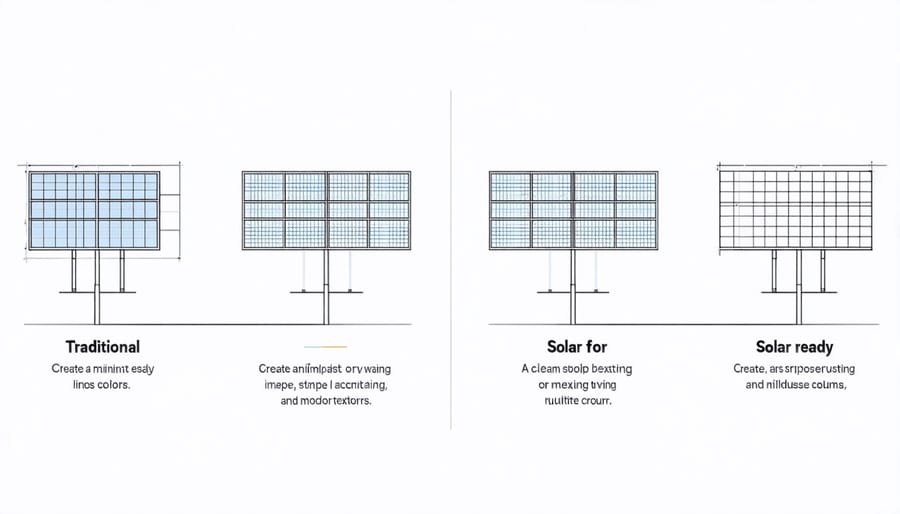
Investing in a solar-ready main service panel today is a smart way to prepare your home for tomorrow’s energy landscape. As solar panels and grid integration become increasingly common, having the right electrical infrastructure already in place can save you significant time and money down the road.
A solar-ready panel eliminates the need for costly electrical upgrades when you decide to install solar panels, potentially saving thousands in future modification expenses. It also increases your home’s market value, as more buyers are prioritizing homes that are prepared for renewable energy solutions.
Beyond the immediate benefits, a solar-ready panel positions your home to take advantage of emerging technologies. As battery storage systems become more affordable and electric vehicle adoption rises, your pre-equipped panel will seamlessly accommodate these additions without requiring major electrical work.
The financial advantages extend beyond installation savings. Many utility companies offer incentives for homes that are solar-ready, and some regions have begun requiring new constructions to include solar-ready panels. By making this investment now, you’re not just preparing for solar installation – you’re future-proofing your home against rising energy costs and ensuring compatibility with tomorrow’s smart home technologies.
Simplified Solar Installation
A solar ready main service panel significantly streamlines the solar installation process, making your journey to renewable energy smoother and more cost-effective. These panels come pre-wired with the necessary connections and space for solar equipment, eliminating the need for extensive electrical modifications during installation.
When your home has a solar ready panel, installers can directly connect your solar system without replacing or upgrading the electrical panel. This saves valuable time and reduces labor costs, often cutting installation expenses by 15-20%. The pre-configured busbar and dedicated breaker spaces mean installers won’t need to reorganize your existing circuits or perform complex rewiring.
Another major advantage is the reduced risk of complications during installation. Solar ready panels are designed with proper clearances and safety features specifically for solar integration. This means fewer surprises, faster inspections, and a more reliable connection between your solar system and home electrical network.
The panel’s built-in solar meter socket and pre-labeled solar circuit breaker spaces also make it easier for installers to maintain code compliance. This can speed up the permitting process and help ensure your installation meets all local regulations without additional modifications.
For homeowners planning to go solar in the future, having a solar ready panel installed during new construction or panel upgrade is a smart investment that will save both time and money when you’re ready to make the switch to solar power.
Maintenance and Inspection Schedule
A solar ready main service panel is only as good as the maintenance routine that supports it. These electrical panels are specifically designed to accommodate solar installations, but they still require regular inspection and upkeep to ensure safe, efficient operation over the 25-plus years your system is expected to run.
Unlike standard electrical panels, solar-ready panels include provisions for photovoltaic connections and often feature surge protection, proper grounding configurations, and additional breaker spaces. All of these components need periodic checks. Dust buildup, loose connections, and environmental factors can compromise performance or create safety hazards if left unaddressed.
The good news? Most maintenance tasks are straightforward and follow a predictable schedule. Professional inspections should happen annually, while homeowners can perform basic visual checks quarterly. For those who’ve already installed solar panels at home understanding how your panel integrates with the grid makes these inspections more meaningful. Following a simple maintenance schedule protects your investment and keeps your system running at peak capacity.
Regular Check-ups
To keep your solar ready main service panel operating safely and efficiently, establish a regular solar panel maintenance schedule that includes inspecting the panel every six months. During these checks, look for signs of wear, loose connections, or corrosion around the terminals and breakers.
Start by visually inspecting the panel’s exterior for any physical damage or signs of water intrusion. Ensure all labels remain clearly visible and legible. Check that the main breaker moves smoothly between positions and listen for any unusual sounds when operating switches.
Monthly tasks include checking the panel’s temperature during peak usage hours – it should feel warm but never hot to the touch. Also, verify that the display readings (if equipped) are functioning correctly and showing consistent values.
Annually, schedule a professional inspection by a licensed electrician who can:
– Test all circuit breakers
– Tighten all connections
– Verify proper grounding
– Check amperage readings
– Inspect surge protection devices
– Confirm solar readiness compatibility
Keep a maintenance log to track inspections and any issues discovered. This documentation helps identify patterns and can be valuable for warranty claims or future upgrades.
Professional Inspections
Regular professional inspections are essential to maintain your solar-ready main service panel’s optimal performance and safety. Schedule a comprehensive inspection by a certified electrician at least once every three years, or more frequently if you notice any unusual behavior in your electrical system.
During these inspections, professionals will perform a thorough evaluation following a systematic approach. A comprehensive professional inspection should include:
- Verify all connections are tight and secure, checking both incoming service lines and outgoing branch circuits
- Test breaker functionality to ensure proper trip response and smooth operation
- Inspect for signs of overheating or corrosion on bus bars, lugs, and terminal connections
- Verify proper labeling and documentation matches current panel configuration
- Check grounding system integrity, including bonding jumpers and electrode connections
- Test voltage and amperage levels across all phases to confirm balanced loads and proper capacity
These steps ensure your panel maintains its solar-ready status and operates safely under both current and future solar installation conditions.
Additional inspections are recommended in specific situations:
– Before installing solar panels
– After severe weather events
– When planning significant home electrical upgrades
– If you notice flickering lights or frequent breaker trips
– Prior to selling your home
Many utility companies offer free or discounted inspection services for solar-ready panels. Take advantage of these programs to maintain your system’s efficiency. Keep detailed records of all inspections and maintenance work, as this documentation can be valuable for warranty claims and future solar installations.
Remember that while DIY electrical work might seem tempting, professional inspections are crucial for safety and maintaining your panel’s warranty coverage.
Electrician performing maintenance check on solar ready panel
Making the Switch: Upgrade Considerations
Making the switch to a solar-ready main service panel is a significant but worthwhile investment in your home’s future. Start by having a licensed electrician assess your current electrical setup to determine if an upgrade is necessary. Most homes built before 2020 will likely need an upgrade to accommodate solar integration safely and efficiently.
When planning your upgrade, consider these key factors:
1. Your current and future power needs
2. Available space for the new panel
3. Local building codes and permit requirements
4. Budget for both equipment and installation
5. Timing of your solar installation plans
The ideal time to upgrade your panel is before installing solar panels, but it’s never too early to prepare. Many homeowners choose to upgrade during other home renovations or when replacing an aging electrical panel to minimize disruption and potentially save on installation costs.
Ask potential contractors these essential questions:
– Are they experienced with solar-ready installations?
– What warranty coverage is offered?
– How long will the installation take?
– Will they handle permit applications?
– What maintenance will be required?
Remember to obtain multiple quotes and check references before selecting a contractor. While the upfront cost might seem substantial, a solar-ready panel is an investment that increases your home’s value and provides the foundation for future energy independence.
Investing in a solar-ready main service panel is a smart step toward a more sustainable and energy-efficient home. By choosing this forward-thinking upgrade, you’re not only preparing your home for future solar installation but also potentially saving thousands in retrofit costs. Remember that a solar-ready panel offers enhanced safety features, simplified installation, and better energy management capabilities. Whether you’re planning to install solar panels immediately or in the future, making your electrical system solar-ready now is a practical decision that will pay dividends. Take the first step toward energy independence by consulting with a qualified electrician to assess your current panel and discuss upgrade options. Your future self – and the environment – will thank you for making this proactive choice.