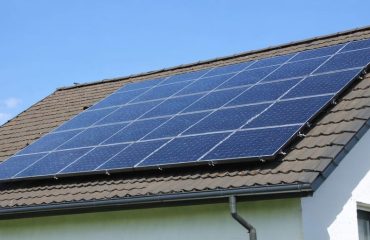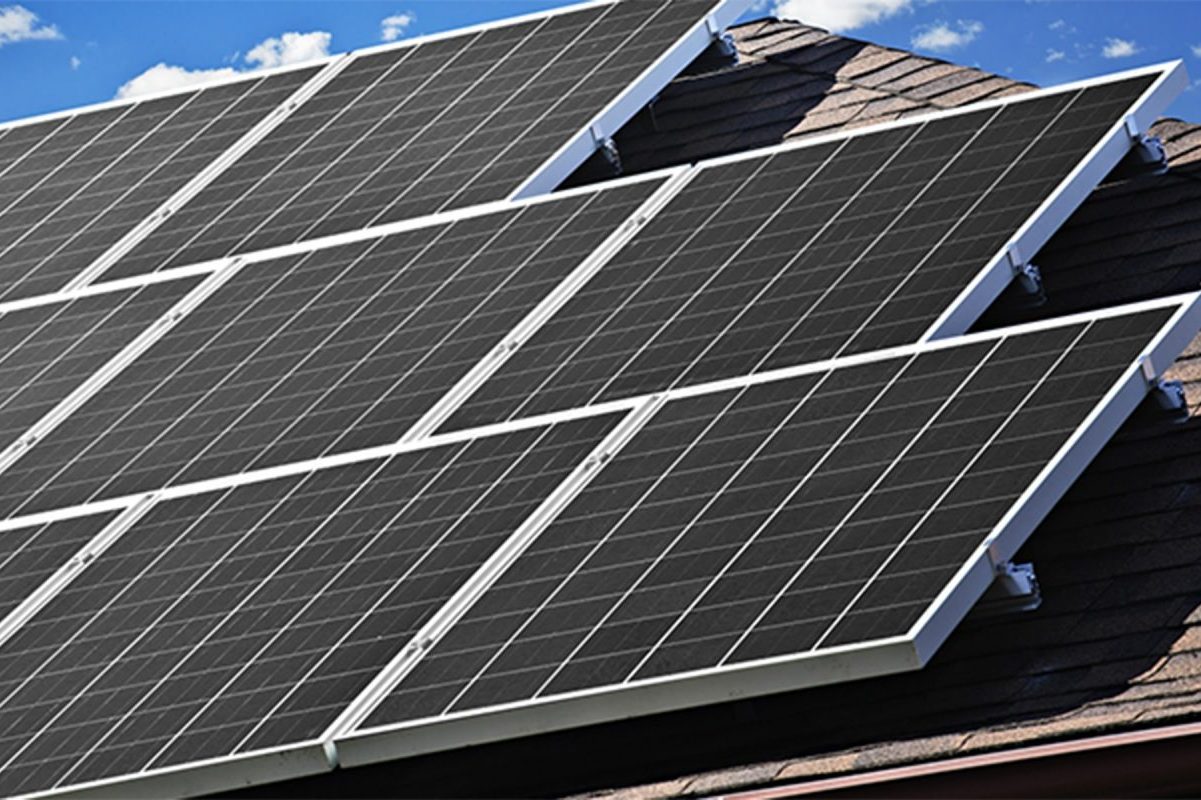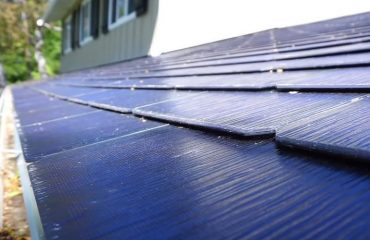

Jersey Central Power & Light (JCP&L) supports solar adoption across its 13-county service territory in New Jersey through its net metering program, which allows homeowners and businesses to offset their electricity costs with energy generated by their solar panels. Unlike traditional rebate programs, JCP&L’s net metering approach credits customers for the excess solar energy they produce, helping to reduce monthly utility bills over time.
The program is available to all residential and commercial customers within JCP&L’s service area, covering all or part of Burlington, Essex, Hunterdon, Mercer, Middlesex, Monmouth, Morris, Ocean, Passaic, Somerset, Sussex, Union, and Warren counties. Customers who generate their own electricity through solar, wind, or hydro systems can participate by connecting their renewable energy installation to the grid through JCP&L’s interconnection process.
For homeowners exploring how to design an effective solar system understanding net metering is essential. JCP&L’s program works by measuring the difference between the energy you consume and the energy your solar panels generate. When your system produces more than you use, those excess kilowatt-hours become credits on your account at the current retail rate. These credits roll forward to future bills and can significantly reduce your annual electricity costs, with any remaining balance credited to your account at year’s end.
Note: This introduction directly addresses homeowner interests in solar benefits and program accessibility while maintaining an optimistic, informative tone suitable for the target audience.
Understanding the JCP&L Solar Program
JCP&L doesn’t operate a traditional solar rebate or incentive program. Instead, the utility’s “solar program” refers to its net metering and interconnection services, which allow customers across its service territory to generate their own electricity and connect to the grid.
Net metering is available to all customers within JCP&L’s service territory, which covers all or part of Burlington, Essex, Hunterdon, Mercer, Middlesex, Monmouth, Morris, Ocean, Passaic, Somerset, Sussex, Union, and Warren counties in New Jersey. Both residential and commercial customers who generate electricity via renewable resources like solar, wind, or hydro can participate.
Here’s how it works: the net metering program offsets the amount of energy you buy from the utility by the amount your solar panel system generates. When your panels produce more electricity than you use, the excess flows back to the grid, and you receive credits on your bill. These credits are applied to future bills until they’re used up. At the end of the year, any extra credits are credited to your account.
Net metering rates are determined by multiplying the amount of net metering credits produced annually by the current retail rate. For most residential systems, Level 1 net metering applies, which covers solar panel systems limited to 10 kW.
The interconnection process is available to customers who generate electricity on the customer’s side of the meter, including third parties developing projects under the Community Solar Pilot Program. While net metering handles the billing side, interconnection ensures your system meets safety and technical requirements to connect to JCP&L’s grid.
If you’re exploring solar options in New Jersey, you’ll want to understand how net metering fits alongside other state programs. Check out our guide to New Jersey’s SREC-2 solar program and our tips for designing the perfect home solar system.
Program Eligibility
To qualify for JCP&L’s solar program, homeowners must meet several straightforward requirements. First, you must be a current JCP&L customer in good standing with an active residential account. Your home should have a roof that’s in good condition and receives adequate sunlight, typically with southern exposure being ideal.
The property must be owner-occupied, and you’ll need to have sufficient space on your roof or property to accommodate the solar panel system. A minimum credit score of 650 is typically required if you’re planning to finance the installation. Your home’s electrical system should also be up to current codes and capable of supporting a solar installation.
Annual electricity usage is another consideration – homes that consume at least 6,000 kWh per year are generally considered good candidates. Additionally, your roof should have a remaining life expectancy of at least 10 years, as removing and reinstalling panels for roof repairs can be costly.
Before approval, JCP&L will conduct a site assessment to verify these requirements and ensure your property is suitable for solar installation.
Application Process
Applying for JCP&L’s solar program is straightforward and can be completed in a few simple steps. First, check your eligibility by ensuring you’re a JCP&L customer with a suitable roof space and good credit standing. Next, submit an online application through JCP&L’s customer portal or contact their solar team directly.
After submitting your application, a solar consultant will review your property’s solar potential using satellite imagery and your energy usage history. You’ll receive a customized proposal detailing system size, estimated costs, and potential savings within 5-7 business days.
If you decide to proceed, you’ll need to provide documentation including proof of ownership, recent electric bills, and income verification if applying for income-based incentives. Once approved, JCP&L will connect you with certified solar installers in their network.
The final step involves scheduling a property inspection and signing the necessary agreements. Most applications are processed within 2-4 weeks, and installation can begin shortly after approval. JCP&L’s team will guide you through each step, ensuring a smooth transition to solar power.
Financial Benefits and Incentives
Available Rebates
JCP&L customers can access several valuable incentives through solar energy adoption, making the transition more affordable. Currently, the most significant incentive is the federal 30% Residential ITC (Solar Investment Tax Credit), which allows homeowners to deduct 30% of their solar installation costs from their federal taxes. Additionally, New Jersey residents can benefit from the state’s New Jersey solar incentives, including the Successor Solar Incentive (SuSI) Program.
It’s important to understand that JCP&L itself doesn’t offer direct solar rebates. Instead, customers benefit from state and federal incentives combined with JCP&L’s net metering program. Through net metering, your solar panel system offsets the amount of energy you purchase from the utility by the amount of energy you generate. When your system produces more electricity than you use, those net metering credits are applied to future bills until they’re used up. At the end of the year, any extra credits are credited to your customer account.
Net metering rates are determined by multiplying the amount of net metering credits produced annually by the current retail rate. This program is available to residential and commercial customers across JCP&L’s service territory who generate their own electricity through renewable resources such as solar, wind, or hydro.
To claim federal and state incentives, homeowners should work with their solar installer to complete the necessary paperwork and submit it to both JCP&L (for net metering interconnection) and the state’s Clean Energy Program. Consider scheduling a consultation with a certified solar installer who can help identify all available incentives and guide you through the application process.
Long-term Savings
The JCP&L solar program offers substantial long-term savings potential for homeowners. Your actual savings will depend on several factors: your system size, household energy usage, and the net metering credits you accumulate. JCP&L’s net metering rates are determined by multiplying the amount of net metering credits produced annually by the current retail rate, which means you’re credited at the same price you’d otherwise pay for electricity.
The program’s financial benefits extend beyond direct energy savings. New Jersey’s net metering policy allows homeowners to earn credits for excess power generated, effectively reducing bills during high-production months. Net metering credits are applied to future bills until used up, and any extra credits remaining are credited to your account at the end of the year.
Solar installation can also increase property values, and you may achieve return on investment through combined savings from reduced energy bills, Solar Renewable Energy Credits (SRECs), and available tax incentives. The federal solar tax credit currently offers a 30% deduction on installation costs, making the initial investment more manageable. You can learn more about New Jersey’s SREC program to understand additional earning potential.
When factoring in rising electricity costs, the long-term savings become even more significant. The fixed cost of solar installation today protects against future utility rate increases, ensuring predictable energy expenses for decades to come. Proper system design is crucial for maximizing these benefits, so consider exploring strategies for designing an optimal solar system.
Infographic showing financial benefits and ROI calculations of JCP&L solar program
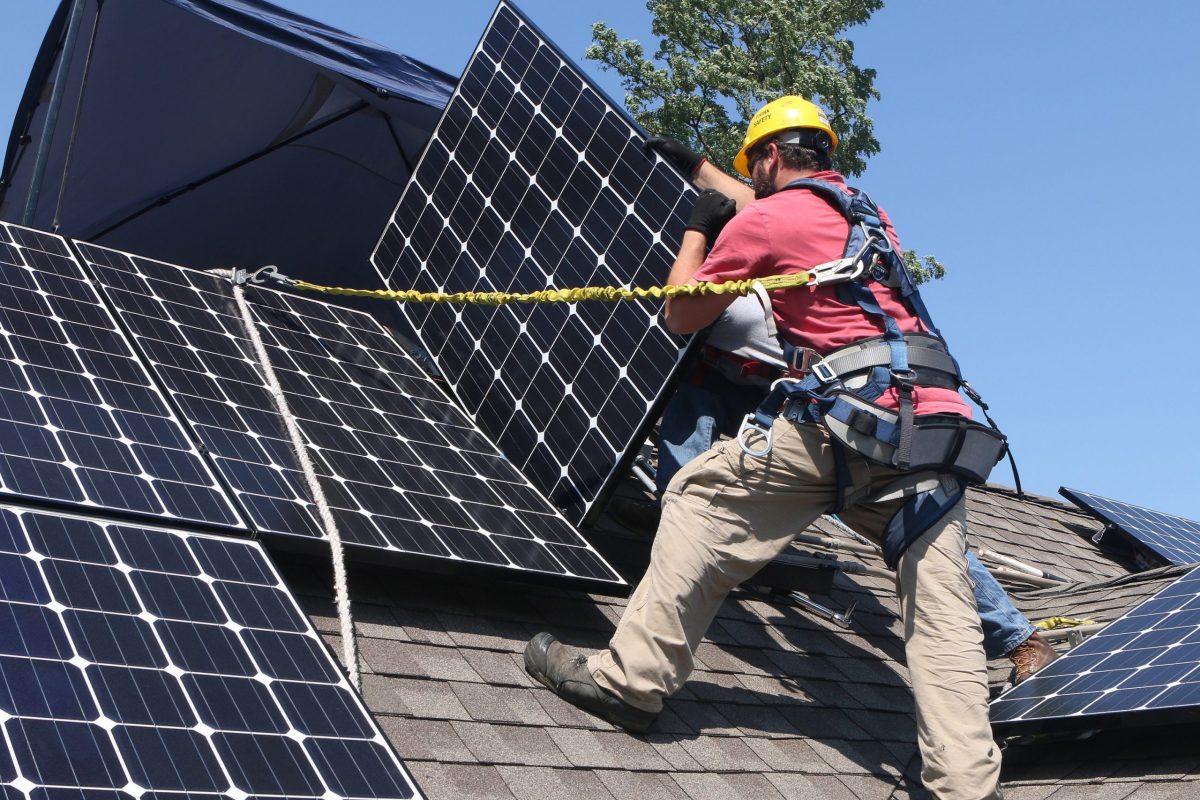
Professional installation team mounting solar panels on a residential rooftop in New Jersey
Solar Panel Installation Process
Home Assessment
During your home assessment, an independent solar installer will visit your property to evaluate its solar potential. This comprehensive evaluation typically takes 60-90 minutes and is crucial for designing the perfect solar system for your home. The installer will examine your roof’s condition, orientation, and shading from nearby trees or structures.
They’ll also review your past electricity bills to understand your energy consumption patterns and recommend an appropriately sized system. Using specialized tools, they’ll measure your roof’s dimensions and assess its structural integrity to ensure it can support solar panels.
During this visit, you’ll have the opportunity to discuss your energy goals, ask questions about the installation, and learn about available incentives. The installer will explain financing options, tax incentives, and how JCP&L’s net metering program works to offset the amount of energy you buy from the utility with the energy your system generates.
By the end of the assessment, you’ll receive a detailed proposal outlining your customized solar solution. Keep in mind that after installation, you’ll need to complete JCP&L’s interconnection process to connect your system to the grid and participate in the net metering program.
Installation Timeline
The JCP&L solar installation process typically takes 2-3 months from initial application to system activation. The timeline begins with a free home assessment, which is usually completed within a week of your application. Following approval, the design phase takes approximately 2-3 weeks, during which engineers create a customized solar system plan for your home.
Once designs are finalized, permit applications are submitted to your local municipality, taking roughly 2-4 weeks for approval. The actual installation is one of the quickest parts of the process, usually completed in 1-2 days for most residential systems. After installation, your system undergoes a municipal inspection and requires final utility approval.
The final step is interconnection with the power grid, which typically takes 1-2 weeks after passing inspection. JCP&L will install a new bi-directional meter to track both your energy consumption and production. Throughout this process, your dedicated project manager keeps you informed of progress and handles all necessary paperwork and coordination with various parties involved.
Program Success Stories
The JCP&L solar program has transformed the lives of numerous New Jersey homeowners, delivering both environmental and financial benefits. Take the Smith family from Morristown, who installed their solar system in 2021. Within the first year, they saw their monthly electricity bills drop by 85%, saving over $2,400 annually. Their 8.5kW system not only powers their home but also generates excess energy that earns them credits through net metering.
In Toms River, retired couple John and Mary Rodriguez invested in solar panels through the program in 2020. Despite initial hesitation about upfront costs, they utilized the program’s financing options and tax incentives. Their investment paid for itself in just four years, and they now enjoy nearly zero-cost electricity while contributing to a greener New Jersey.
Small business owner Sarah Chen from Edison demonstrates how the program works for both residential and commercial properties. Her home solar installation inspired her to add panels to her retail store, resulting in combined annual savings of over $5,000. She particularly appreciates the program’s streamlined approval process and professional installation support.
The Martinez family in Princeton represents a growing trend of young homeowners embracing solar energy. Their 6kW system, installed in 2022, has already prevented 4.5 tons of carbon emissions while providing reliable power during grid outages thanks to their battery backup system. They’ve become solar advocates in their community, inspiring five neighboring families to join the program.
These success stories highlight how JCP&L’s solar program makes sustainable energy accessible and financially beneficial for diverse New Jersey residents.
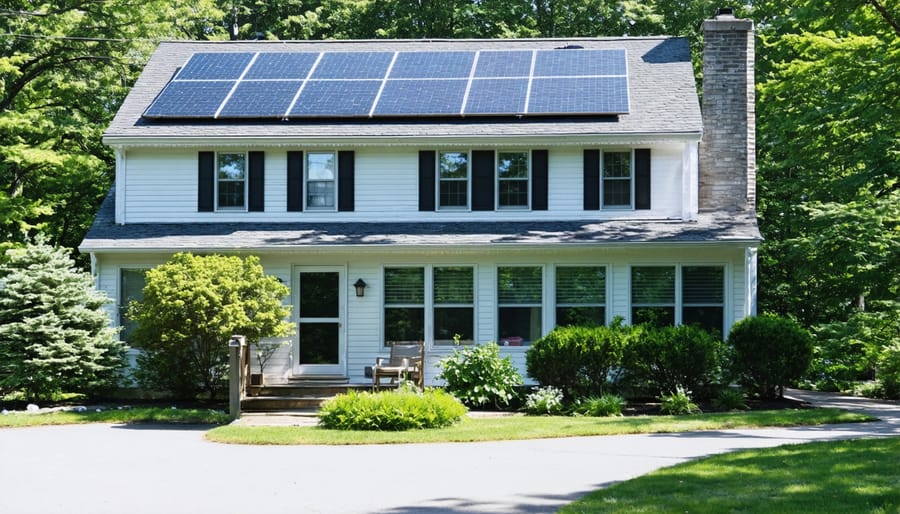
JCP&L’s solar program offers a clear path to sustainable energy and significant cost savings for New Jersey homeowners. By participating in this program, you can reduce your monthly electricity bills while contributing to a cleaner environment. The combination of federal tax incentives, state rebates, and net metering benefits makes solar installation more affordable than ever before.
Taking the next step is straightforward. Begin by reviewing your energy consumption and confirming your eligibility through JCP&L’s website. Then, schedule a free consultation with an approved solar installer who will assess your home’s solar potential and provide a customized proposal. Remember to gather multiple quotes to ensure you’re getting the best value for your investment.
The transition to solar power is a smart long-term investment that pays dividends in both environmental impact and financial returns. With JCP&L’s support and guidance throughout the process, you can join thousands of New Jersey residents who are already enjoying the benefits of clean, renewable energy. Don’t wait to start your solar journey – contact JCP&L today to learn how you can power your home with the sun.