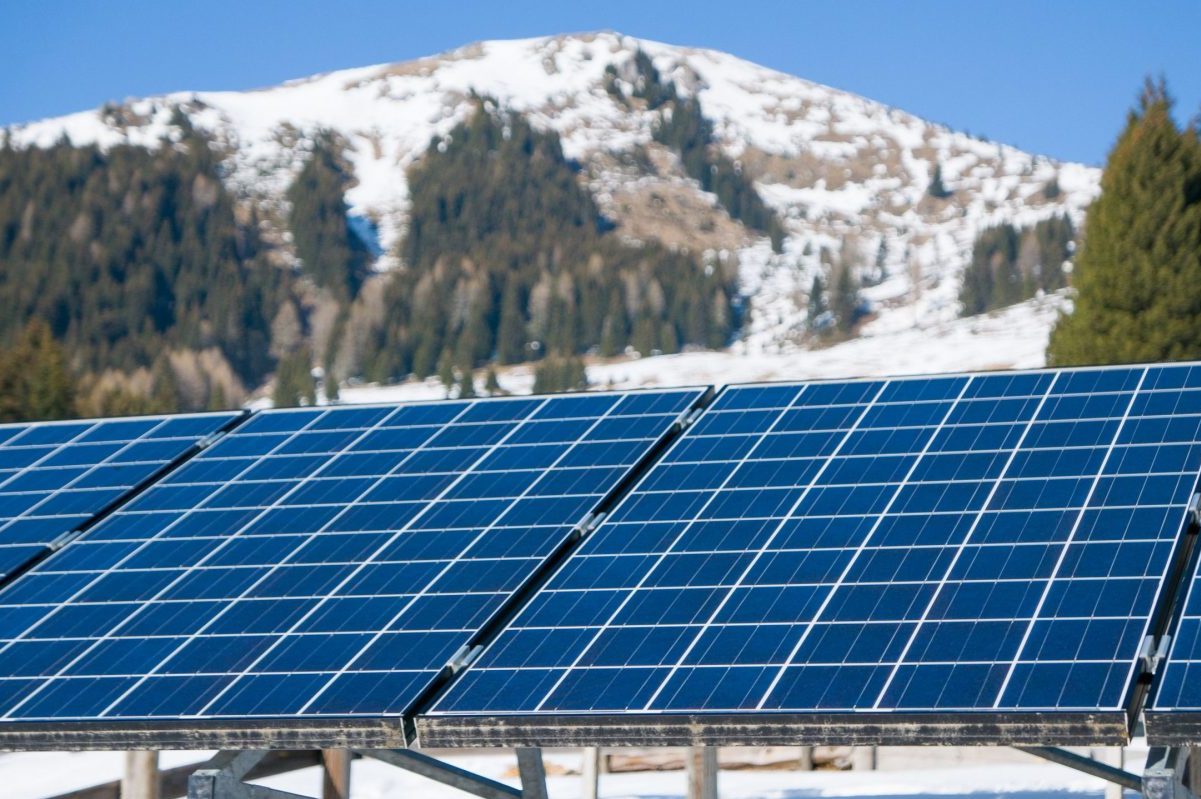
With the increase in the interest of having a “green” society, the topic of solar power as a source of heat is a hot one. There are different methods of achieving this, as well as different things to use the solar power on as a heat conductor.
What follows is a synopsis of some of these methods and some insight as to what one might need when interested in using this kind of natural power for heating purposes.
Home Solar Water Heater System – How To?
Depending on the method of solar heating used, here is a list of some things you may need to have when using solar energy to heat water.
- One or more 100 feet long black garden hoses
- One or more 50 feet long black garden hoses
- Southern exposure. The roof is the preferred place of southern exposure if feasible
- 30 gallon clean black plastic barrel with spigot
- Four 4×6 treated posts, eight feet long in length
- Concrete Mix
- 3X3 sheet of one inch thick plywood
- Four 2 by 4’s, 3 feet in length
- Sixteen carriage bolts with lock washer,washer, and acorn nut
- A post hole digger
- Four 4×6’s, three feet in length
Both methods don’t require all of these things, but we will put this together with the following methods so you can see what material you will need for each.
1° DIY Method
The first method of using solar power to heat water is as follows:
- Step one: Using large loops, stretch a 100 foot long black garden hose out over the southern side of the roof.
- Step two: Attach on end of the hose to your homes incoming cold water line.
- Step three: Take the other end of the hose and attach it to the cold water intake of your water heater.
Your water will now be warm before it enters your water heater as the heat from the sun will be absorbed by the hose, thus warming the water.
2° DIY Method
- Step one: On the side of the house where you can have the effects of the full sun, build a 3×3 by 6 foot tall platform.
To build the platform:
- Dig four two feet deep holes, three feet apart from each other in a square.
- Center a post in each and then fill with concrete. Make sure posts are square and level. Let concrete set for 24 for 48 hours.
- Attach the 2×4’s flush at the top of the posts. Use two carriage bolts at each end of the 2×4’s.
- Use 1 1/2 inch wood screws to affix the 3×3 plywood sheet. Space screws about an inch from the edge and use one every six inches.To supply enough support for a full barrel, be sure your plywood is at least one inch in thickness.
- Step two: Screw three foot long pieces of 4×6 posts along the top of the platform using 6 inch screws to ensure they go through the posts, plywood, and 2×4’s. This will create a ledge to prevent the barrel from falling from the platform.
- Step three: Place the empty barrel on the platform with the hose attached to the spigot.
- Step four: Attach the hose to the cold water intake of your water heater and fill the barrel with water.
Keep in mind that the water will take several hours to heat, so using these methods will likely give you enough water for one or two showers per day.
Solar Water Heating for Swimming Pools
A long loop of 2-inch black PVC tubing that is a bypass into your pool’s water pump hose are the basics of a solar heating system for your pool. Many people spend over a thousand dollars to get a heater for their pool, but by putting in a solar system it’s possible you can spend about one fifth of that.
First you need to be sure to get black PVC piping. White reflects sun and black has the opposite effect. Get yourself at least 200 feet of 2 inch black PVC pipe along with the following.
- a proportionate amount of 2-inch, black PVC elbow fittings
- some hose clamps
- PVC glue
- Primer
Now your ready to know how to use solar power to heat your pool.
- Find area of the pool that receives the most light.
- Determine loop and grid. Figure out where to lay the pipe. Keep in mind that the roof of a blacktop garage will run lots of heat.
- Run a continuous loop of the tubing from the pool to a series of parallel lines, interconnecting PVC tubing throughout the grid loop. Now you have a single loop grid collecting energy from the sun and using it’s energy to heat your pool.


{ 2 trackbacks }
{ 0 comments… add one now }