The Cost and How to Install a Solar Hot water Heater System

How much to install solar water heater? Want to solar heat your water but don’t want to spend thousands of dollars to do it? Want to use solar energy for electricity but not sure how to do it? Well hopefully this can offer you some help on installation of a solar hot water heating system  if your a do it yourself type.

Having thermal panels added in to the system of your solar water heating can greatly increase it’s production.

Your consumption of fossil fuel will be greatly diminished by using solar energy for electricity as well, and may even disappear altogether. Keep in mind that many energy providers and government agencies have rebate plans for people who install solar power as well. Photovoltaic panels have the potential to decrease your electric bill.

Here’s how you can install your own solar hot water system with thermal panels. After that we will look at installing photovoltaic panels for electricity.

Part 1


Part 2

Figure that you will need approximately a 30 pound capacity of water per person in the household.

1. Figure out how much thermal panel you will need for the roof or where you are putting the system. On the average, figure you will need approximately 20 square feet for two residents. For more people add around 8 square feet each, although you may want to make it up to 14 feet if you live in a particularly cold region.

2. Find out where you want to put the panel. On your roof is usually the best place as you can secure mountings to the rafters and may be convenient to run pipe to your hot water heater.

3. Measure out where the mountings will be. Make sure you line them up with the thermal panel to be sure they match.

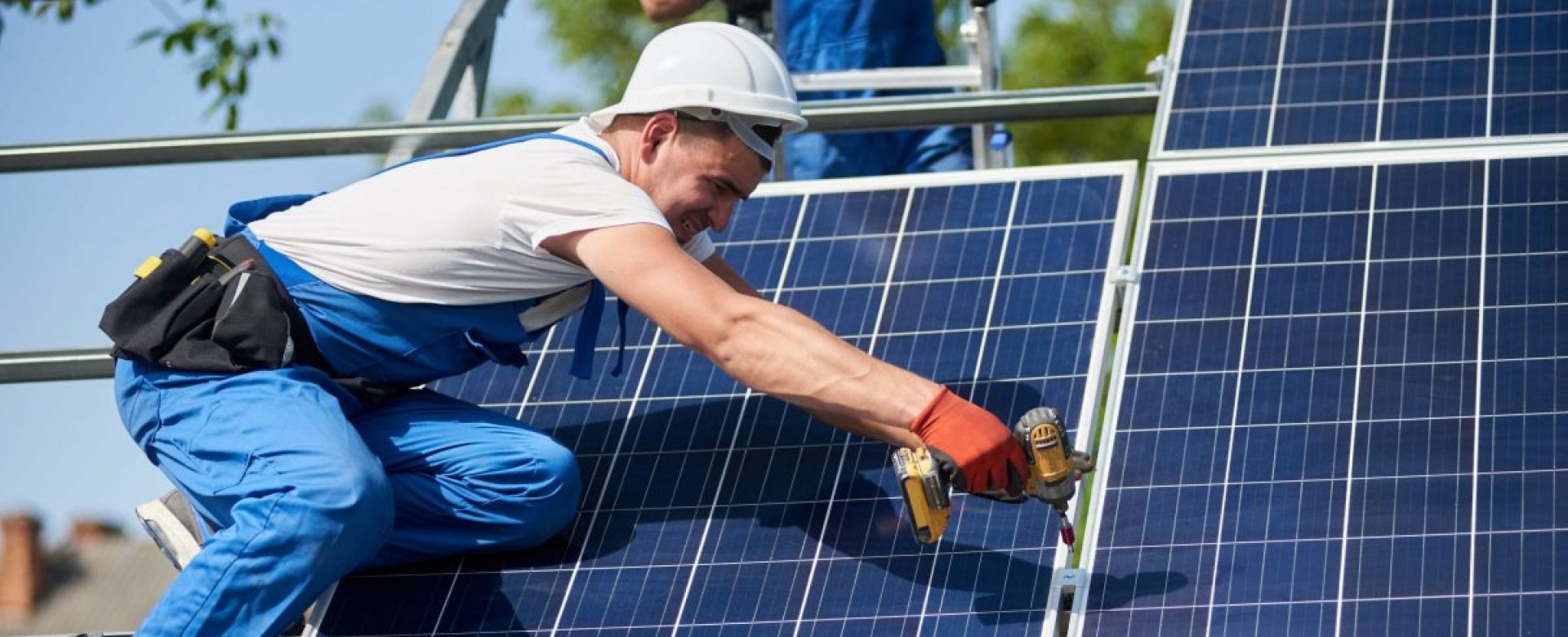
4. Using a power drill, install the mounting with screws and brackets.

5. Use sealant, such as caulk, to seal up any holes.

6. Install rails onto mounts. Be sure they are fixed in place.

7. Install thermal panel on rails insuring they are secure enough to withstand rain or poor weather.

8. For the panel connection to the water pipe, you will have to install a roof boot. Do not place the boot over any rafters. The boot should be about 2 inches from the feed connection on your solar panel.

9. Use flashing, and caulk if needed, to make the boot’s connection to the hole surrounding it watertight.

10. Install roof boot number two about 2 inches from the absorber outlet of solar power.

11. Attach compression unions to roof boot and use copper tubing to connect compression unions to feeds on the solar panel. Be sure to check that all connections will not leak.

12. Run copper tubing from both feeds to the water heater.

13. Turn off gas and drain all water from the water heater, then install coaxial fitting onto water heater.

14. Making sure the connections are correct, which should be the feed line taking cool water out to the water panel and the return line being hot water in, connect the copper tubes to the fitting.

15. Even if sealant or Teflon tape is needed, you need to make sure that there are no leaky connections.

16. Refill heater with water and flip the gas back on.

There you go. That’s how you can install thermal panels and your solar water heater. Hope this can help with some of your questions about how to install panels for your solar water heating. Photovoltaic panels are important if you want to save on electricity . This should not be forgotten if you want to build your own solar energy system. To install photovoltaic panels follow these steps.

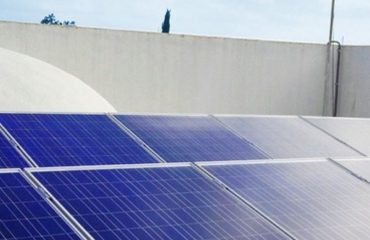
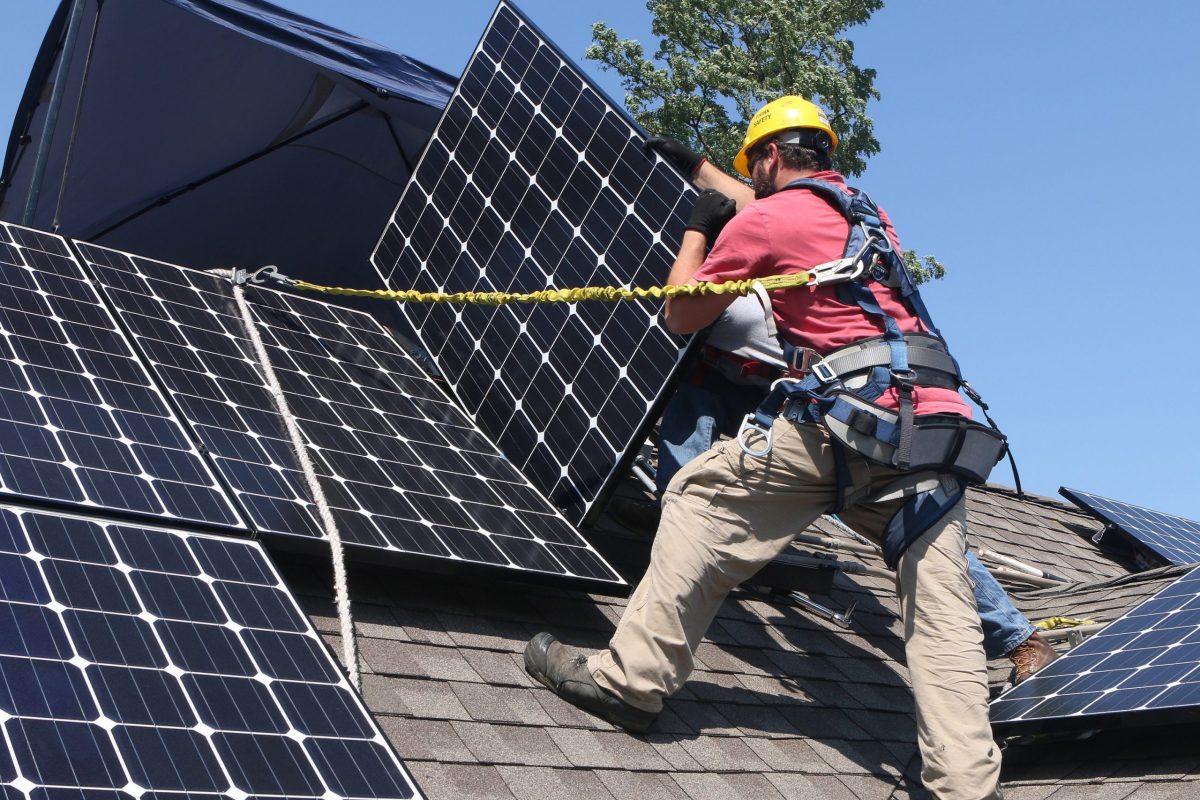
1. Pick out your photovoltaic panels and appropriate panel mounts and tools for installation.
2. Use a stud finder to find the rafters and align mounts. Pre-drill with pilot bit to avoid splitting and make sure to keep mounts in a straight line using laser sight or chalk line.
3. Use stainless steel lag bolts to attach mounts to the roof.
4. Place metal flashings over the mounts and use 3/8′ stainless steel bolts to secure metal rails to the posts.
5. Install solar panels and connect them into an array.
6. Run the conduit to connect the panels to the inverter.

Now your photovoltaic panels are installed and your solar electric system is ready to go. Keep in mind that if you are interested in using this type of energy and are considering getting your roof redone, that would be the best time to have the system installed.

Having them “flashed-in” during the roofing process is a good way to assure there are no leaks. Also, having structural attachment points “flashed-in” is a good idea for installing solar panels as re-installation or future cost of removal will not be a worry for many years to come.

{ 1 trackback }

Basic Steps to Plan Your Solar System
December 27, 2009 at 9:26 am

{ 4 comments… read them below or add one }

Ismail Ibikunle August 2, 2009 at 11:04 pm

In fact this litle explanation really makes meaning and i think this would do for my installation. The solar industry keeps growing from day to day and i know one day.

M Osman Nasir August 5, 2009 at 3:02 am

It is always invested for the need to fulfill, green energy is the need to promote; espacially solar energy is the need that will power our future needs.

prisca innocent September 8, 2009 at 2:06 am

I once thougth installing solar panells is only for professionals
but your explanation proved me wrong, ibelieve ican do it too.
THANKS.

Gene McElwee June 3, 2010 at 5:42 pm

A very professional site with lots of great and helpful information. Everyone needs to learn about solar and all other types of alternative energy to help us get rid of our dependency on oil for our energy needs. The United States is so far behind in alternative energy and sites like yours and mine will help get the message out.

Leave a Comment

Previous post:

Next post:

Feedback Form